

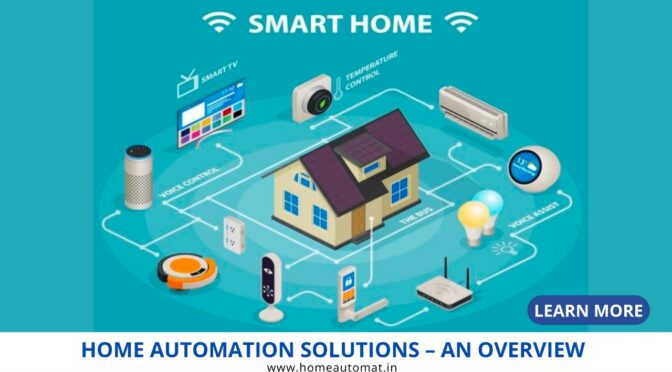
Technology has transformed the way we live, and nowhere is this more visible than in our homes. From lights that respond to voice commands to thermostats that learn our routines, automation has made daily life more convenient and efficient. But with this convenience comes a critical responsibility: ensuring that your smart home remains secure. As more homeowners embrace Home Automation security systems, safeguarding these connected devices becomes just as important as enjoying their benefits. In this guide, we’ll explore the essential tips and strategies to protect your smart home, while also highlighting how solutions like Smart Home Automation security Systems and Premium Home Automation solutions in Bangalore are leading the way in creating safer, smarter living spaces.
The Growing Importance of Smart Home Security
Home automation has moved far beyond being a luxury—it’s now an integral part of modern living. From controlling appliances remotely to integrating security systems into one streamlined network, smart technology empowers us to manage our homes more effectively. However, the very connectivity that makes automation so useful also makes it vulnerable to cyber threats and misuse if not properly secured. Hackers, cybercriminals, and even unauthorized users can exploit poorly protected systems. That’s why securing your automated home isn’t optional—it’s essential. With the right measures, you can enjoy both the convenience of automation and the confidence of knowing your home is safe.
Essential Tips for a Safer Smart Home
1. Start with Strong, Unique Passwords
Every connected device in your home is like a digital door. If you use weak or repeated passwords, it’s like leaving that door unlocked. Always set strong, unique passwords for your devices, apps, and Wi-Fi network. A combination of upper- and lower-case letters, numbers, and symbols makes it harder for intruders to guess. Consider using a trusted password manager to keep track of them securely.
2. Secure Your Wi-Fi Network
Your Wi-Fi is the gateway to all your smart devices. If it’s not secure, the entire home is at risk. Here’s how to reinforce it:
- Use WPA3 encryption if your router supports it.
- Rename your Wi-Fi network (SSID) so it doesn’t reveal the router brand or model.
- Create a separate guest network for visitors and keep your smart devices on a dedicated network.
- Regularly update your router’s firmware.
3. Regularly Update Firmware and Software
Manufacturers release updates to patch vulnerabilities and improve device security. Many homeowners forget this simple but crucial step. Enable automatic updates where possible, and check regularly for firmware upgrades for cameras, smart locks, and other devices. Outdated software is one of the easiest ways for hackers to gain access.
4. Enable Two-Factor Authentication (2FA)
Many leading smart home platforms now offer two-factor authentication. With 2FA, even if someone steals your password, they still need a secondary code (often sent to your phone) to gain access. This extra layer of protection significantly reduces the chances of unauthorized entry into your smart home system.
5. Segment Your Devices
Not all devices need to be on the same network. Segmenting helps minimize risk. For instance, keep security-critical devices like smart locks and cameras separate from entertainment devices like smart TVs. This ensures that even if one device is compromised, the rest of your home remains secure.
6. Invest in Professional Security Solutions
While DIY setups are popular, investing in expert-designed systems can provide greater reliability. Providers of Premium Home Automation solutions in Bangalore specialize in creating secure, scalable, and professionally monitored systems tailored to your specific needs. Their solutions often come with enterprise-level encryption and support that makes a real difference in long-term security.
7. Monitor Device Permissions
Every app or device connected to your system asks for certain permissions—like access to your camera, microphone, or location. Be mindful of what you grant. If an app requests unnecessary permissions, deny them. This prevents third-party software from collecting sensitive data.
8. Use Smart Locks Wisely
Smart locks are a convenient way to control access to your home, but misuse can make them vulnerable. Always:
- Regularly update lock software.
- Use fingerprint or biometric authentication where possible.
- Set up activity logs to track who enters and exits.
Combined with Smart Home Automation security Systems, smart locks ensure you always know who has access to your home.
9. Be Cautious with Voice Assistants
Voice assistants like Alexa, Google Assistant, or Siri make life easier, but they can also be exploited. To use them securely:
- Change default wake words.
- Disable unused features.
- Avoid storing sensitive information linked to your assistant.
- Use a secure PIN for sensitive actions, like unlocking doors.
10. Conduct Routine Security Audits
Just like you might check your physical locks before going to bed, smart homes need regular digital check-ups. Review device logs, inspect connected devices, and verify system updates. This proactive approach helps identify potential vulnerabilities before they’re exploited.
Why Smart Security is More Than Just Technology
A truly secure smart home isn’t just about gadgets—it’s about peace of mind. It ensures that your family, property, and personal data are protected from both digital and physical threats. Smart systems provide:
- Proactive Monitoring: Real-time alerts for unusual activities.
- Remote Access: Full control even when you’re away.
- Predictive Protection: AI-driven features that learn patterns and flag anomalies.
Cities like Bangalore are embracing these advancements quickly. With the growing demand for secure and intelligent homes, homeowners are opting for integrated solutions from trusted providers of Home Automation security systems.
The Future of Smart Home Security
The evolution of smart home safety is only just beginning. Upcoming innovations include:
- AI-driven threat detection that learns individual homeowner behavior.
- Blockchain-secured IoT devices for unbreakable encryption.
- Drone surveillance integrated with smart homes for outdoor protection.
- Health-integrated automation, where systems can monitor not only security but also the well-being of residents.
With such advancements on the horizon, the smart home of tomorrow will not only keep intruders away but will also adapt intelligently to keep families safer than ever.
Conclusion
Smart homes bring unmatched convenience, efficiency, and luxury—but their benefits must always be balanced with strong security. By following essential practices like securing Wi-Fi, updating software, and enabling two-factor authentication, you significantly reduce risks. Pairing these steps with professional systems like Smart Home Automation security Systems ensures your home is protected with the latest technologies and expert oversight. For homeowners in tech-forward cities, investing in Premium Home Automation solutions in Bangalore provides not just safety, but also the confidence that your home is ready for the future. By enhancing your smart home security today, you’re not only protecting your property—you’re creating a safe, secure, and worry-free environment for the people who matter most.